A First-Timer's Guide to Visiting Yellowstone National Park
- Oct 13, 2024
- 5 min read
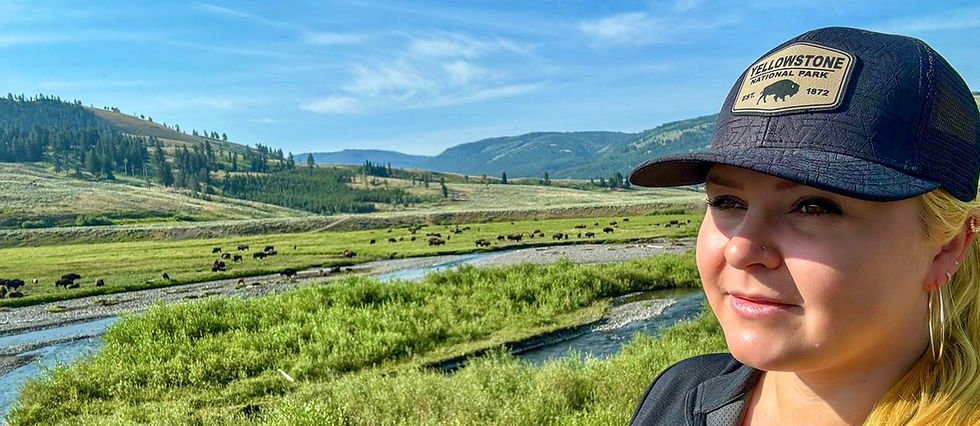
Planning a Yellowstone trip? I'd love to help you put together a custom itinerary — reach out and let's make it happen.
Yellowstone National Park has been one of America's great treasures long before a certain TV show turned it into a dinner table conversation. Spanning nearly 3,500 square miles across Montana and Wyoming, it's the kind of place that earns every superlative thrown at it — and then surprises you with something you weren't expecting anyway.
Bison herds crossing the road at dawn. A geyser erupting on schedule. The Grand Canyon of the Yellowstone glowing in the late afternoon light. It's genuinely unlike anywhere else on earth, and it's one of those bucket-list trips I'd recommend to almost anyone — American or not.
Here's everything you need to know before you go.
When to Visit Yellowstone
The timing of your trip matters more here than almost anywhere else I've been.
Summer (June–August) is peak season for good reason — warm weather, active wildlife, and the geothermal features at their most dramatic. But it also means serious crowds and lodges that book out a full year in advance. If summer is your only option, start planning early.
May and September are my personal preference. Fewer people, wildlife still very active, and the weather is usually cooperative. If you have any flexibility, aim for one of these months.
Winter and early spring bring a completely different experience — fewer animals visible, many roads closed, but a stark, quiet beauty that some people love. The Northwest entrance through Gardiner, Montana is the most reliable year-round access point if you're visiting in the off-season.
How to Get to Yellowstone
You'll need a car. Yellowstone isn't a place you can navigate meaningfully on foot or by shuttle — having your own vehicle is essential for getting between sights at your own pace and stopping whenever something catches your eye (and things will).
The park has five entrances:
West Entrance — via West Yellowstone, MT (near the Idaho border)
Northwest Entrance — via Gardiner, MT (open year-round)
Northeast Entrance — via Cooke City, MT
East Entrance — via Cody, WY
South Entrance — via Grand Teton National Park and Jackson, WY
Always check road and entrance status before you go — seasonal closures are common and can affect your route significantly.
Closest airports:
West Yellowstone (WYS) is just 5 miles from the West Entrance, though it's a small regional airport with limited seasonal service. Jackson Hole (JAC) is about 50 miles from the South Entrance and is my top pick — convenient, scenic, and it puts Grand Teton National Park right on your route in. Bozeman (BZN) is roughly 90 miles from the North and West Entrances and is a great choice if you want to combine Yellowstone with a few days in Montana.
One strong recommendation: if you fly into Jackson, don't rush straight to Yellowstone. Grand Teton National Park is right there, and many people think it's even more visually stunning. Build in at least a day.
Where to Stay in Yellowstone
Staying inside the park puts you steps from the sights and lets you beat the crowds at sunrise and sunset — which is exactly when Yellowstone is at its most magical. We spent two nights at Old Faithful Inn and two more at Canyon Lodge, and that split worked really well for us. That said, in-park lodging books up fast and comes with real trade-offs: limited cell service, unreliable WiFi, and food that ranges from decent to forgettable.
Here's an honest breakdown of your options:
Old Faithful Inn is one of the most iconic hotels in the American West — a stunning log structure just steps from the famous geyser, built in 1903. Rooms run $500+ per night, some without private bathrooms, and there's no WiFi in the hotel itself (you'll need to walk to the nearby Snow Lodge for a connection). The main dining room is mediocre — eat at the Snow Lodge restaurant instead. Still, even if you don't stay here, come for a drink on the balcony and to watch Old Faithful do its thing.
Canyon Lodge has more modern, updated rooms and the best WiFi connectivity in the park (stick to the Washburn and Main Lodge buildings). Public areas feel a bit like a college cafeteria, but the food is varied and better than you'd expect. Its location in the northern part of the park puts you close to some of Yellowstone's most dramatic canyon views.
Lake Yellowstone Hotel has no WiFi anywhere in the village, but the lake views are worth it. The dining room here is the best in the park — reserve dinner at least a month ahead if you can.
Mammoth Hot Springs Hotel I haven't stayed here personally, but it reportedly has the most reliable WiFi in the park along with updated rooms and solid dining.
Staying outside the park is a legitimate option if you want more amenities without much sacrifice in location. West Yellowstone has affordable hotels, glamping at Under Canvas, and even luxury ranch experiences. A short morning drive into the park is a reasonable trade for a hot shower and reliable WiFi.
What to See in Yellowstone
Yellowstone is enormous, and trying to see everything in one trip is a fast track to exhaustion. My advice is to prioritize a few areas and give yourself time to actually linger rather than just check boxes.
My three non-negotiables — the experiences that make Yellowstone what it is:
The bison herds. Lamar Valley and Hayden Valley are the best places to find them, and "find them" often means watching an entire herd cross the road directly in front of your car. There is nothing quite like it. Go early morning or late afternoon for the best light and most activity.
The geysers. Old Faithful is the obvious anchor, but don't stop there. Mammoth Hot Springs and West Thumb Geyser Basin are equally worth your time — and in some ways more atmospheric because they're less crowded.
The Grand Canyon of the Yellowstone. Artist Point, Inspiration Point, and Red Rock Point all offer views of the canyon and the Lower Falls that genuinely stop you in your tracks. Visit at dawn or at golden hour if you can. The light is extraordinary.
Ready to Plan Your Yellowstone Trip?
Yellowstone is one of those places where a little planning goes a very long way — the right lodging, the right timing, and knowing which roads to hit at which hour of the day makes an enormous difference in the experience you have.
As a certified travel advisor, I love helping people put together national park itineraries that feel seamless rather than stressful. Reach out and let's plan yours.


